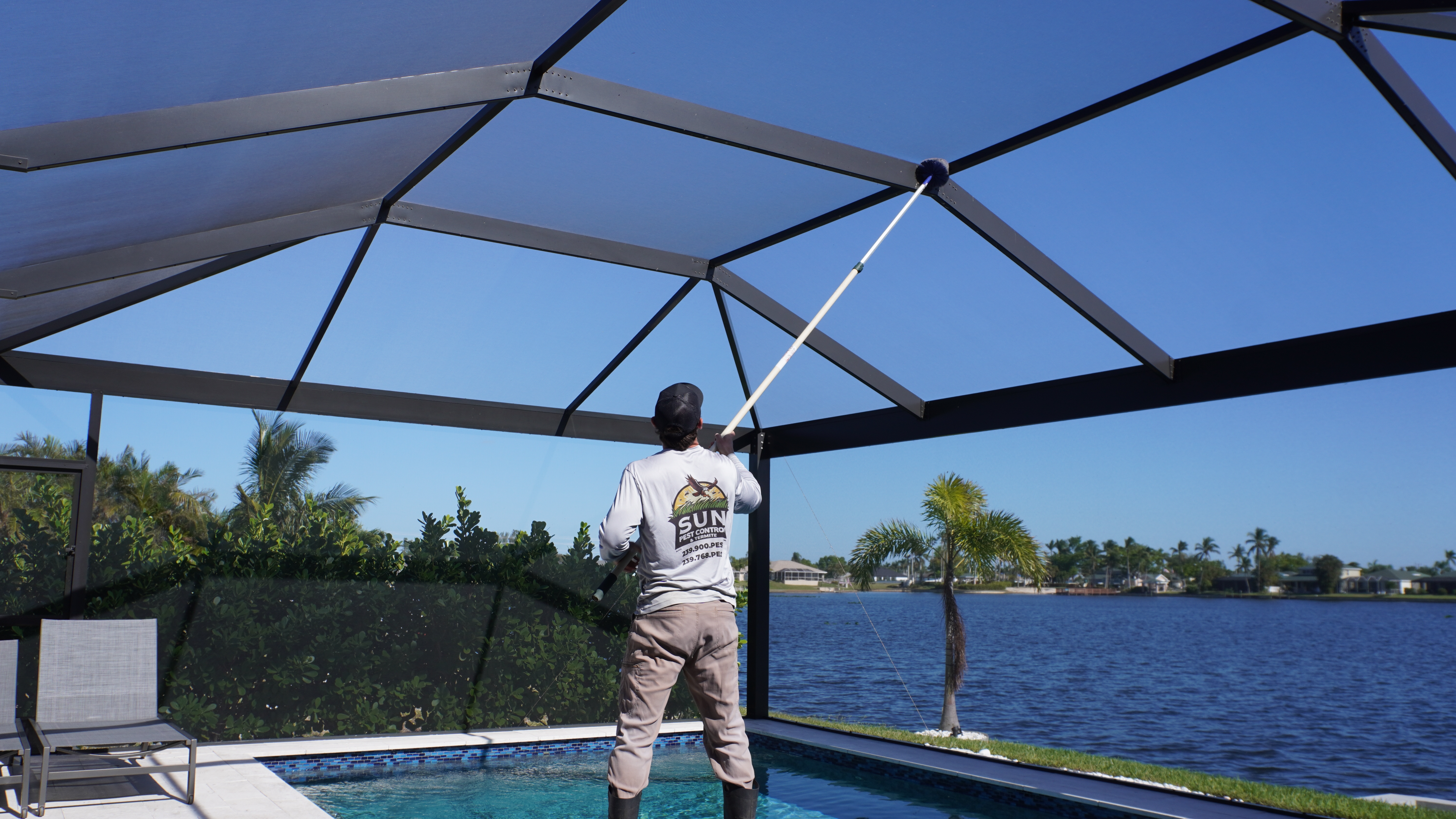
Before you head north, shut off interior water and set irrigation to a light summer schedule, seal exterior entry points, keep a lapse-proof pest and lawn plan running, and arrange mail forwarding and a house-check so your SWFL home never looks empty. These steps stop ants, roaches, and rodents from moving into a vacant house.
What pest problems happen to an empty SWFL home?
A closed-up house in Cape Coral, Fort Myers, or Naples is exactly what pests want: warm, humid, and undisturbed. With no one running water, opening doors, or wiping counters, insects and rodents settle in fast.
- Ants follow moisture indoors, especially near canal-front slabs and irrigation lines that stay damp through the wet season.
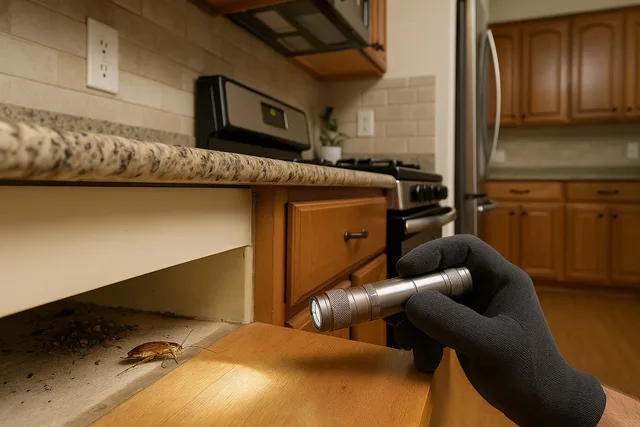
- Roaches breed in drains and under sinks where P-traps have dried out, letting sewer gas and bugs come straight up the pipe.
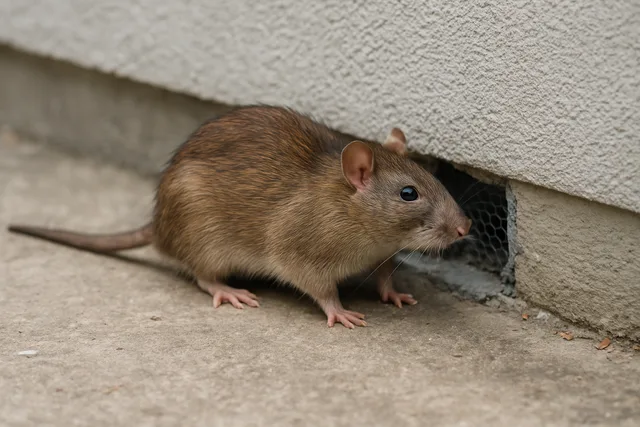
- Rodents chew into quiet homes through weep holes, dryer vents, and garage gaps, then nest in insulation and wiring for months undisturbed.
- Mold and mildew feed the whole cycle when the AC is off and indoor humidity climbs.
Summer is the hardest stretch to be gone. The rain, heat, and humidity peak from June through September, which is when most snowbirds are away and problems build unseen.
How do you pest-proof the house before you leave?
The goal is simple: cut off water, food, and entry. Walk the house once with that checklist in mind.
- Kill the moisture. Fill sink, tub, and floor drains with a little water plus a splash of mineral oil to keep traps from drying out. Empty and prop the dishwasher and washer doors.
- Remove food. Clear the pantry of anything unsealed, take out all trash, and clean under the stove and fridge where crumbs collect.
- Seal entry points. Check door sweeps, garage weather stripping, dryer vents, and any gaps where pipes enter walls. These are the routes ants and rodents use.
- Set the AC. Leave it at 77 to 80 with the fan on auto so humidity stays controlled without running the bill up.
A treated barrier around the outside of the home is what keeps the season's worth of bugs from crossing the threshold. A fresh perimeter pest control treatment before you go puts a protective band around the foundation, entry points, and eaves that holds while you're away.
How to prep the lawn before you leave
SWFL lawns don't go dormant in summer, they grow hard and get stressed by heat, rain, and disease while no one is watching. St. Augustine and Zoysia can thin out or brown in weeks without steady care.
- Set irrigation correctly. Program the controller for early-morning cycles, follow local Cape Coral and Lee County watering-day rules, and install a rain sensor so the system skips wet days instead of flooding the yard.
- Cut high, not short. Have your last mow leave the grass a little taller so it shades its own roots and holds moisture through the dry spells.
- Watch the low, wet spots. Canal-side and shaded areas hold water and invite fungus, chinch bugs, and weeds during the rainy months.
The steadiest protection is a scheduled lawn program that keeps feeding, weed control, and pest treatments on track through summer, so you come back to green grass instead of bare patches you have to replace.
How do you set up service so nothing lapses?
The most common snowbird mistake is pausing everything and assuming the house will be fine. A lapse of three or four months is exactly how a small problem becomes a real one.
- Keep the pest plan active. Don't cancel; schedule the exterior treatments to continue on their normal cycle so the barrier never wears off.
- Give access and a contact. Leave a gate code, a key with a neighbor, and a local phone number so treatments and any callbacks can happen without you there.
- Confirm the lawn visits. Make sure fertilization and pest rounds are booked through your return date, not just through the month you leave.
If you're on the coast, book service under your local page so scheduling and routing are handled right, for example Cape Coral perimeter service or a nearby city like Naples. Exterior treatments continue whether you're home or not, so the work gets done and you get the summary without lifting a finger.
How do you stop rodents from getting into a vacant home?
Rats and mice are the pest most likely to do real damage in an empty house, because they chew wiring and insulation and can go undetected for the entire season. A quiet home is an invitation.
- Close the openings. Weep holes, roof and soffit gaps, garage door corners, and utility penetrations are the usual ways in. Seal them before you leave, not after you find droppings.
- Cut off the bridges. Trim tree limbs back from the roofline and move woodpiles and stored items away from the walls.
- Clear the garage. Remove open pet food, seed, and cardboard nesting material.
A professional rodent exclusion inspection finds and seals the gaps you'd never spot from the ground, which is the difference between coming home to a clean house and coming home to a chewed attic.
How do you keep the house from looking empty?
A house that obviously sits vacant draws both pests and unwanted attention. Piled-up mail and packages on the porch are the clearest signal that no one is home, and they also block door treatments and collect moisture.
- Forward or hold mail. Set USPS forwarding or a hold, and pause recurring deliveries so nothing stacks up at the door.
- Arrange a house-check. Have a neighbor, family member, or a service walk the property periodically to move flyers, run water briefly, and catch small issues early.
- Use timers and keep the yard tidy. A couple of light timers and a maintained lawn keep the place looking lived-in.
Between a maintained yard, forwarded mail, and continued pest and lawn service, the house reads as occupied, and that alone prevents a lot of the problems snowbirds return to.
Frequently Asked Questions
Keep reading

Reviewed by Sun Pest Control — FL Pest Control License #JB341709, family-owned since 2011.